Two intensive days with the founders of modern cardiopulmonary exercise testing. A faculty drawn from UCLA, Cambridge and leading UK centres, committed to simplifying and demystifying CPET.
Chris — who founded the course and whose textbook has taught a generation of CPET practitioners — introduces the 2026 symposium and why the small‑group, case‑based format matters.
Prof Christopher B. Cooper · David Geffen School of Medicine at UCLA · Course Director and Chair of Faculty
For more than two decades the Cambridge–UCLA Symposium has been the destination course in the United Kingdom for clinicians, physiologists and scientists who interpret cardiopulmonary exercise tests. Grown out of Professor Christopher Cooper's seminal textbook and the teaching tradition he established at UCLA, the symposium has now run for 23 successful years — and this 2026 meeting is the 24th.
The course's ethos is simple and, in equal measure, radical: CPET should be simplified, not complicated. Level 1 CPET measures only eight variables. Everything clinically useful can be understood through ten key parameters and interpreted on a four‑panel plot. The faculty are united in resisting unnecessary jargon and defending a clear, reproducible interpretive framework that junior and senior practitioners alike can trust.
Delegates come from respiratory medicine, cardiology, anaesthesia and pre‑operative assessment, sports and exercise medicine, physiology and clinical science. Many return. All leave with a practical, usable interpretive framework.
We teach CPET from first principles. Eight measured variables. Ten key interpretive parameters. No invented metrics, no career‑vehicle jargon.
The course has unified around the four‑panel display used consistently in live demonstrations and every lecture. One language across the whole faculty.
Interactive sessions built around real cases, flip‑charts and discussion — not a second round of slides. Teaching that actually changes practice.
The symposium assumes a working grasp of physiology but does not require prior expertise in CPET reporting. Delegates routinely include respiratory, cardiology, sports and exercise, anaesthetic and pre‑operative assessment teams, as well as physiologists and exercise scientists from hospital, research and industry settings.
Respiratory, cardiology, sports & exercise medicine and anaesthesia — anyone signing off CPET reports who wants a defensible interpretive framework.
Practitioners running the test, processing the data and writing first‑pass reports. Expect deep engagement with calibration, protocol choice and the four‑panel display.
For services using CPET to risk‑stratify major surgery. Dedicated sessions cover AT determination, reporting conventions and the evidence base.
Those designing trials or interpreting CPET outputs for drug development and device evaluation. A pragmatic, systematic framework that generalises across labs.
The 2026 programme has been refreshed to give more time to the fundamentals — the ten key variables and the power of the four‑panel plot — and less to protocols and reference values that attendees can read up on at home.
Timings are taken from the current 2026 draft programme (V5) and may change. Programme co‑ordinated by Dr Karl Sylvester with Prof Christopher Cooper and Dr Jonathan Fuld. Workshops indicated with foundational (Day 1) and advanced (Day 2) tracks so new and returning delegates find the right level.
Our teaching panel has grown over two decades into one of the most experienced CPET faculties in the world. Day‑by‑day clinicians, laboratory directors and research leads, drawn from both sides of the Atlantic.
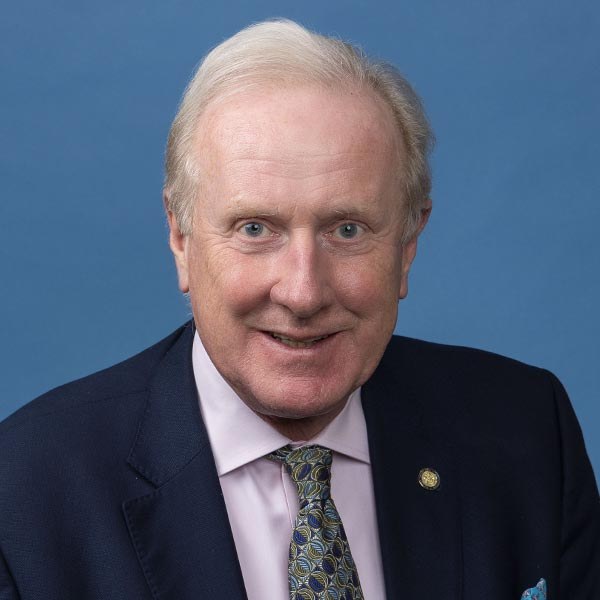
Professor Emeritus of Medicine and Physiology at the David Geffen School of Medicine at UCLA, where he founded the Exercise Physiology Research Laboratory and directed the COPD clinical and research programmes for 25 years. Author of the definitive textbook that established the simplified, four‑panel interpretive framework the course teaches. Recipient of the Sherman M. Mellinkoff Faculty Award — UCLA's highest faculty distinction. Founder of enhancedCPETanalytics.
Course Director · UCLA
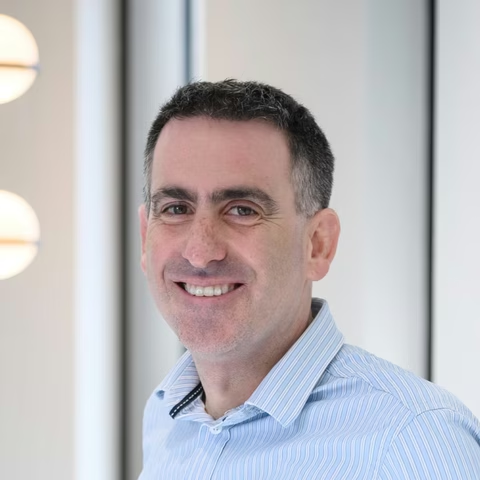
Consultant Respiratory Physician at Cambridge University Hospitals, affiliated with the Victor Phillip Dahdaleh Heart & Lung Research Institute. Since 2023, National Clinical Director for Respiratory Disease for NHS England and Chair of the Adult Specialised Respiratory Clinical Reference Group. Clinical and research interests span exercise physiology, COPD and access to specialist respiratory care.
Joint Course Director · Cambridge
Consultant Healthcare Scientist and Head of the Joint Respiratory Physiology Service serving Cambridge University Hospitals and Royal Papworth Hospital. Former Honorary Chair of ARTP and past Chair of ERS Group 9.1. Currently co‑chair of the ERS/GLI task force developing global reference equations for cardiopulmonary exercise testing. Clinical lead for course logistics and programme design.
Joint Course Director · Cambridge
Medical Director of Cardiopulmonary Exercise Testing at UCLA Health and Prof Cooper's closest clinical and research partner in the Exercise Physiology Research Laboratory. Helps lead the emerging UCLA collaboration between respiratory and cardiology services in the CPET lab. Brings front‑line interpretive experience and a strong case‑teaching style.
UCLA Faculty

Cardiologist at UCLA with an active academic focus on CPET and post‑COVID cardiopulmonary limitation. Lead investigator for a 19‑centre long‑COVID consortium studying reduced exercise capacity and chronotropic insufficiency. Recruited to UCLA from UCSF; brings fresh perspective on CPET in unexplained dyspnoea and long‑COVID.
UCLA Faculty
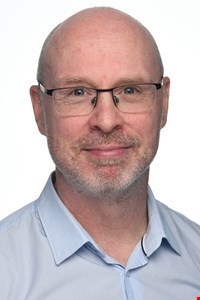
Reader in Human and Applied Physiology at Brunel. Post‑doctoral training at the John Rankin Laboratory of Pulmonary Medicine, University of Wisconsin‑Madison. Fellow of the ACSM, BASES and PhySoc. Senior Editor at Experimental Physiology. Former physiology lead at the British Olympic Medical Centre. Expert on respiratory muscle work and exercise‑induced arterial hypoxaemia.
Faculty
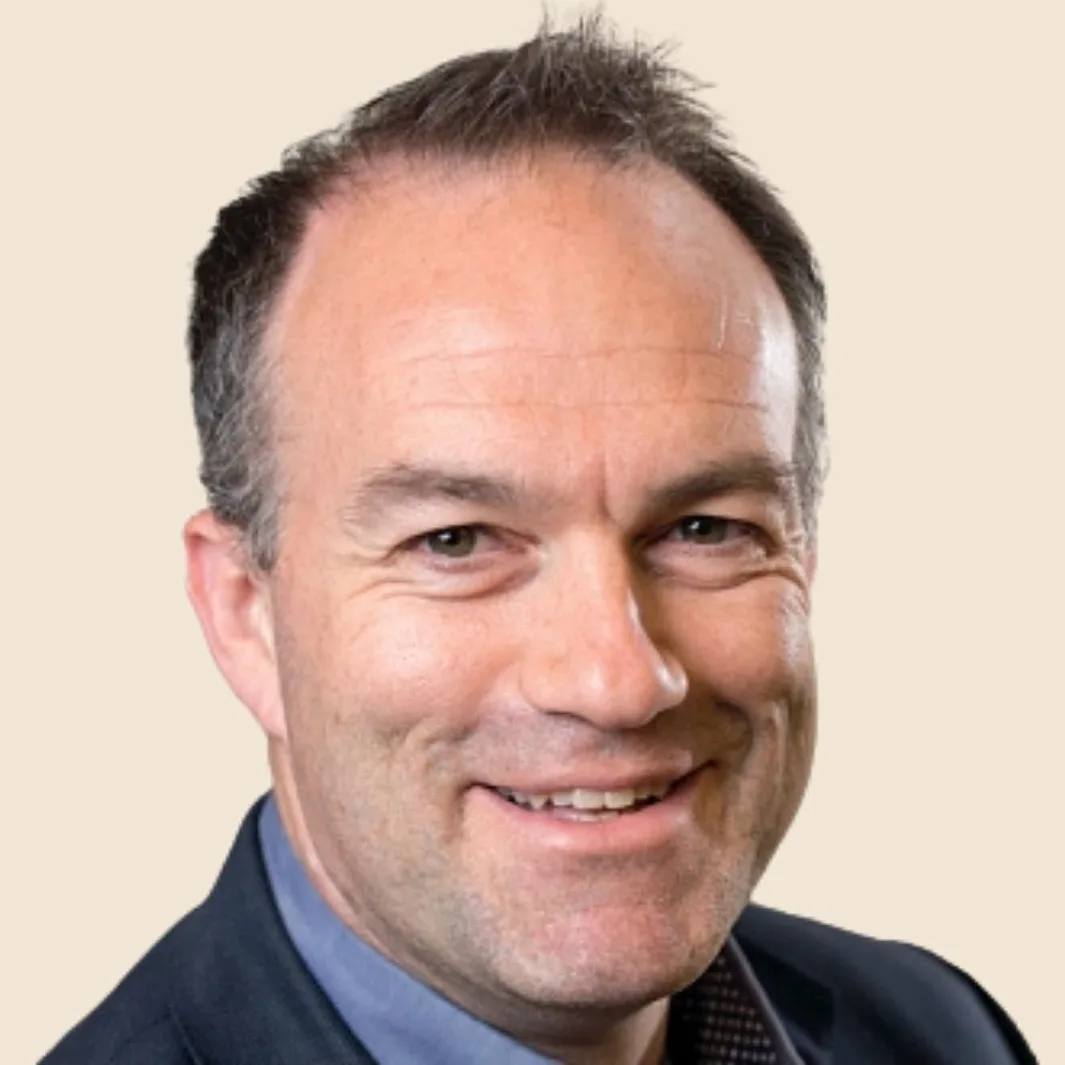
Professor of Practice in Cardiopulmonary Medicine at the National Heart & Lung Institute, Imperial College, London. Director of the National Pulmonary Hypertension Service at Hammersmith Hospital. Special interests in breathlessness, pulmonary vascular disease and the exercise physiology of pulmonary hypertension. Oxford‑trained physiologist and Cambridge‑trained clinician.
Faculty
Consultant Clinical Scientist in Sleep and Ventilation at University Hospitals Coventry & Warwickshire with more than 30 years in respiratory and sleep diagnostics. President of the Association for Respiratory Technology & Physiology (ARTP). Led the UHCW department to UKAS (IQIPS) accreditation and has a long‑standing specialist interest in CPET.
Faculty
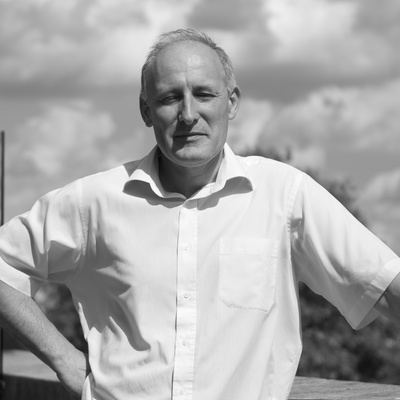
Consultant Respiratory Physician at Belfast City Hospital and Honorary Senior Lecturer at Queen's University Belfast. Over 30 years' clinical experience in cardiopulmonary exercise testing, including a two‑year fellowship at Harbor‑UCLA. Fellow of the Royal College of Physicians. Published widely on CPET in metabolic myopathies and unexplained exercise intolerance.
FacultyConsultant at Queen Elizabeth University Hospital, Gartnavel General and Golden Jubilee National Hospital in Clydebank. Clinical and research focus on the role of CPET in dysfunctional breathing and unexplained dyspnoea. Long‑standing contributor to the advanced interpretive workshops.
FacultyRespiratory clinician at Cambridge University Hospitals working closely with the joint CUH/Royal Papworth physiology service. Integral to the live practical demonstrations of CPET during the course and a bridge between clinical and physiological teaching.
FacultySenior Respiratory Physiologist at Cambridge, leading her own cohort of clinical CPET studies. Joining the teaching faculty in 2026 to support the practical demonstrations across both days — the latest in a line of the course's commitment to developing the next generation of CPET specialists.
Junior Faculty
Consultant Clinical Scientist and Lead Respiratory Physiologist at Cambridge University Hospitals, and Vice‑Chair of the Association for Respiratory Technology & Physiology (ARTP). Active contributor to ATS/ERS guideline development for pulmonary function and cardiopulmonary exercise testing. Leads the delegate participation CPET on Day 1.
Faculty
Associate Professor of Clinical Exercise Physiology and Rehabilitation at the University of Southampton. Internationally recognised for applied CPET research in cystic fibrosis and other long‑term conditions, with a focus on translating exercise science into routine clinical practice. Teaches on long‑term aerobic performance and rehabilitation applications of CPET.
FacultyConsultant in Anaesthesia and Perioperative Medicine at UCLH with a subspecialty interest in preoperative CPET. Leads pre‑assessment CPET services for complex surgical patients and teaches the course's perioperative risk stratification session — where functional capacity measured by CPET is an increasingly central part of the shared decision.
FacultyClinician with a specific interest in exercise‑induced laryngeal obstruction (EILO) and dysfunctional breathing patterns in the athlete and non‑athlete. Joins the 2026 faculty to lead the advanced workshop on upper‑airway and breathing‑pattern disorders — one of the commonest causes of unexplained dyspnoea on CPET.
FacultyAdditional guest faculty including industry partners from Vyaire (Jaeger) contribute to the live demonstrations and practical workshops.
Anonymised verbatim comments from the 2025 end‑of‑course evaluation. The pattern has held year on year: delegates return to their labs with a systematic, reproducible approach — and with confidence.
The systematic approach to interpretation of CPET made this a one of a kind, invaluable course.
The group interpretation sessions with instructors were exceptional.
Excellent mix of teaching approaches. Workshops and team‑based learning made it the best CPET course I have attended.
Case studies and small‑group work — a format that forces you to think, not just listen.
Graphical display and interpretation taught with real rigour. I will change the way my lab reports tomorrow.
The team‑based, discursive sessions were intimidating and effective in equal measure — and well worth it.
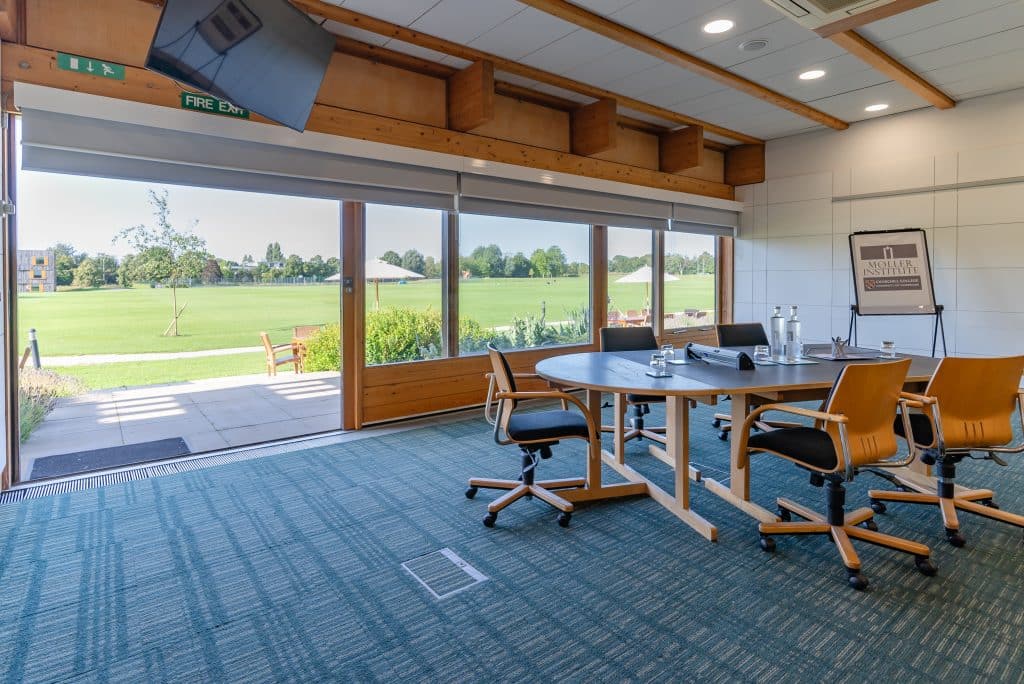
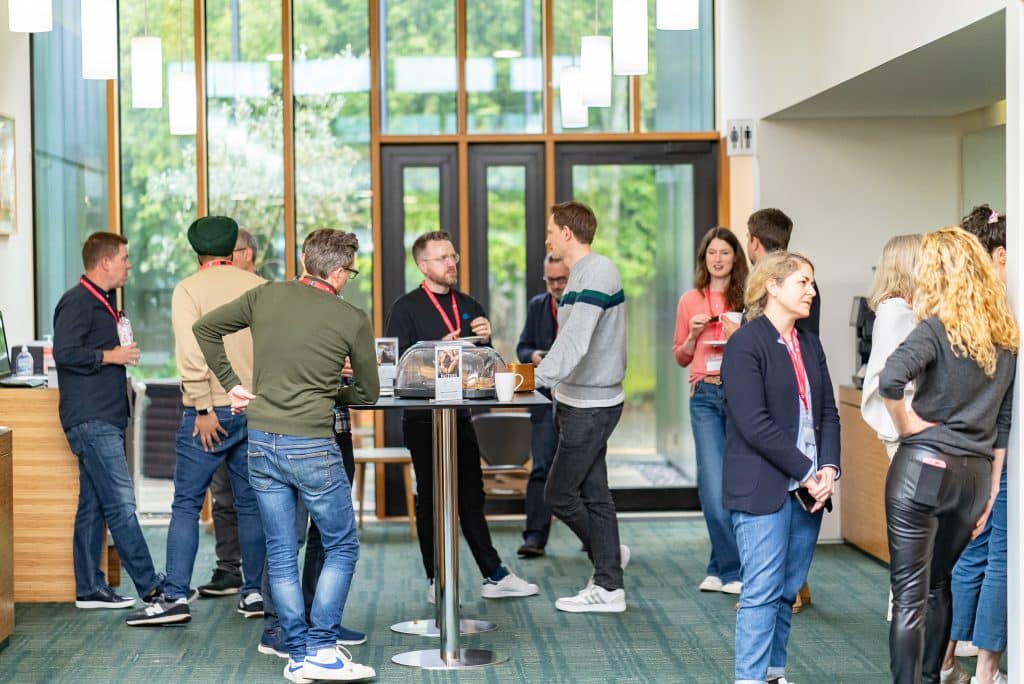
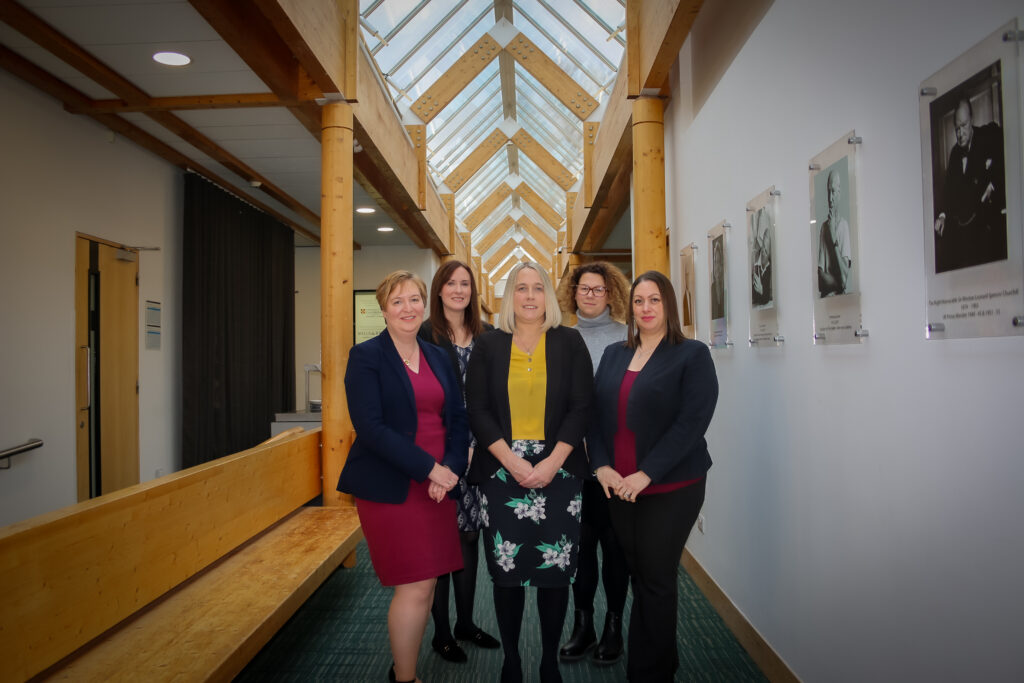
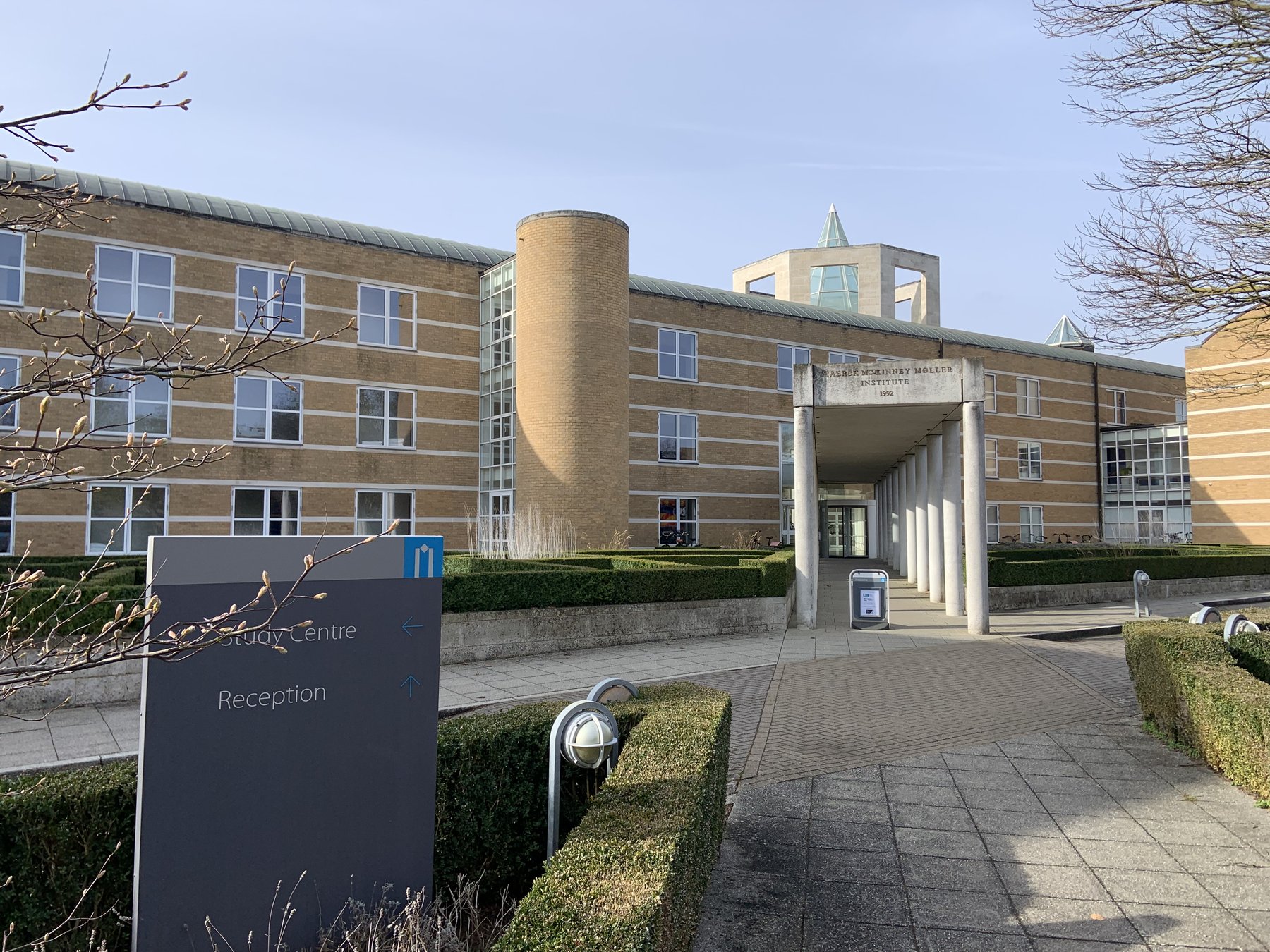
A dedicated residential conference centre at the heart of Churchill College, University of Cambridge. The Møller combines light Danish architecture with a quiet, walkable setting — ideal for two intensive days of teaching, conversation over coffee and an evening drinks reception for all delegates and faculty.
Accommodation may be booked directly with the Møller Centre on +44 (0)1223 465500. A small number of rooms are reserved in the delegate block; please arrange early.
The Møller Institute's light Nordic architecture, walled gardens and quiet teaching spaces have become part of the course itself. Step beyond the college gates and Cambridge does the rest — the Backs, King's Parade, punts on the Cam and long summer evenings over dinner in town.
Images: Møller Institute (interiors) · "Punting on The Backs" by Stuart Logan, CC BY-SA 2.0 · Møller Institute exterior by Txllxt TxllxT, CC BY-SA 4.0 — both via Wikimedia Commons.
Registration and payment are handled by Cambridge Postgraduate Medical Centre. You can apply online via the official PGMC course page — clicking below takes you to the secure application portal.
Max 40 delegates Fees refundable within 14 days of application
Apply on the PGMC site →For enrolment questions contact Angela Gray at the PGMC on +44 (0)1223 596189.
The Cambridge–UCLA partnership has trained a generation of CPET practitioners across the UK, Europe, North America and the Middle East. The course has moved with the field but kept the same founding commitment: clarity over complexity.
If your question isn't answered below, the course administrator will be happy to help — contact details at the foot of this page.
Consultants, senior trainees, physiologists, exercise scientists and researchers who interpret cardiopulmonary exercise tests. Prior CPET experience is helpful but not required — the faculty deliberately teach a systematic approach accessible to both early‑career and senior practitioners.
A balance of short plenaries, live CPET demonstrations, small‑group workshops and team‑based case interpretation. Delegates consistently rate the interactive workshops and group interpretation sessions as the most valuable parts of the two days.
Registration is handled by Cambridge Postgraduate Medical Centre via the official PGMC course page. The course fee is £900–£950 and includes all teaching materials, refreshments and meals. Places are capped at 40 to preserve the small‑group format.
A small delegate allocation of rooms is held at the Møller Institute. Bookings are arranged directly with the Møller Centre on +44 (0)1223 465500 — early booking is strongly recommended as the venue is a working residential centre.
A short pre‑course reader is circulated two weeks before the symposium. This typically includes selected chapters from Professor Cooper's textbook and a handful of practical references on the four‑panel plot and the ten key variables. Workshops expect delegates to arrive familiar with this material.
Yes — a certificate of attendance is issued on completion of both days. Previous editions have attracted CPD accreditation through the Royal Colleges; the 2026 application is in progress and the exact credit value will be confirmed on the PGMC registration page.
The PGMC refund policy applies: fees are refundable within 14 days of application. After that window, transfers to a colleague are usually accommodated — please contact the course administrator directly as early as possible.